How to share your entire screen?

Continue

Team of experts, ready to help

Join meeting here for your demo, support or onboarding session.

Deepa

Ms. Deepa

Lab Automation Guide

Hari

Mr. Hari

Lab Automation Guide

Ashu

Mr. Ashu

Lab Automation Guide

Mrs. Shalini

Mrs. Shalini

Customer Success Specialist

Ms. Priya

Ms. Priya

Customer Success Specialist

Ms. Riya

Ms. Riya

Customer Success Specialist

Ms. Aarti

Ms. Aarti

Customer Success Specialist

Mrs. Kirti

Mrs. Kirti

Customer Success Specialist

Mrs. Pooja

Mrs. Pooja

Customer Success Specialist

Mr. Abhishek

Mr. Abhishek

Support

Mr. Saubhik

Mr. Saubhik

Support

Join a meeting

1
Confirm your meeting time over call
2
Join meeting at scheduled time
3
Share entire screen during meeting

How to Open a Pathology Lab in India

Ms. Gitika

By Gitika Chargotra

Updated on: 5th Feb 2026

Things Required Before Opening a Pathology Lab in India


  • The first and most important requirement is budget, to buy lab machines, give salaries, instruments, and basic infrastructure.
  • You need lab equipment such as analyzers, microscopes, centrifuges, and refrigerators.
  • A qualified pathologist or lab technician is required to run and sign reports.
  • Having doctors who refer patients to your lab is very important, because referrals help generate regular business.
  • You must complete all legal registrations such as Clinical Establishment registration and biomedical waste registration.
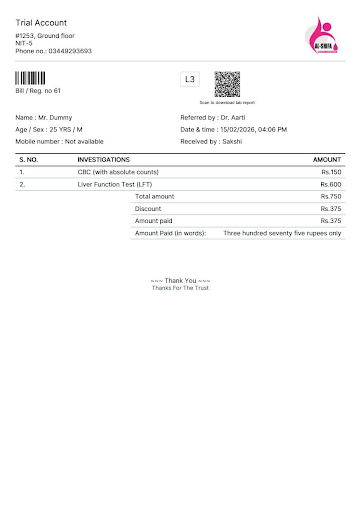
  • Reliable lab management software (LIMS) is required to handle reporting, billing, and patient data efficiently.
  • Before starting the lab, it is important to build tie-ups with doctors and clinics so you have a regular flow of patients from day one.
  • Strong relationships with doctors help in gaining trust and growing the lab business faster.

Sahi Reports Har Baar

Try Labsmart

Who This Guide Is For?


  • Medical professionals such as pathologists, doctors, or lab technicians who want to run their own lab can use this guide.
  • Entrepreneurs who want to invest in the diagnostic and healthcare business can also open a pathology lab by hiring qualified staff.
  • Anyone who plans to start a standalone or independent pathology lab in India can follow this guide.

Before you start: decide the lab model


Pick one clear model - it shapes costs, equipment, and licenses.

Model What you offer
Pathology lab All routine tests, option to outsource test
Diagnostic centre Pathology lab services along with X-ray, Usg, Ecg, CT Scan, MRI and other services

Legal Documents Required for Opening a Pathology Lab in India


  • Biomedical Waste (BMW) Authorization for proper disposal of bio-degradable and medical waste
  • Clinical Establishment Registration (mandatory in most states)
  • Shop & Establishment Act Registration
  • Pollution Control Board (PCB) Approval

Staff Required to Run a Pathology Lab


To run a successful pathology lab, you need a small but efficient team. Each person has a clear role:

  • Lab Owner

    The lab owner manages overall operations, including finances, staff hiring, compliance, and daily management of the lab.

  • Phlebotomists

    This person collects blood and other samples from patients carefully and safely, either at the lab or during home visits.

  • Lab Technicians

    The lab technician processes the samples, performs tests, and prepares accurate reports under proper guidelines.

  • Cashier / Front Desk Staff

    This person handles patient registration, billing, payments, and basic customer support.

  • PRO (Public Relations Officer)

    The PRO plays an important role in business growth by building relationships with doctors, clinics, and hospitals, arranging tie-ups, and helping bring regular referrals to the lab.

Where to Open a Pathology Lab


Choosing the right location is very important for the success of a pathology lab.

  • A pathology lab should have a physical location where patients can easily visit.
  • The lab should be in a good neighborhood with proper road access, parking, and visibility.
  • Opening a lab near hospitals, clinics, or nursing homes is highly beneficial, as patients can easily come for tests.
  • Choose a ground floor or easy access site (elderly-friendly)
  • Minimum effective layout: reception, sample collection, testing room, report/IT station, storage (refrigerator), wash/utility, and bio-waste storage.
  • Keep a clear patient flow: entry → registration → sample collection → exit.

Inventory Requirements for Opening a Pathology Lab


To start a pathology lab in India, we need:

cbc machine

Machines

Biochemistry, Electrolyte, CBC, Urine analyzers, and supporting equipment.

test kit

Rapid tests & chemicals

Card tests for common diseases, biochemistry reagents, and bio-waste management supplies.

collection kit

Sample collection kits

Tubes, syringes, swabs, urine/stool containers, and other collection tools.

Machinery / Equipment


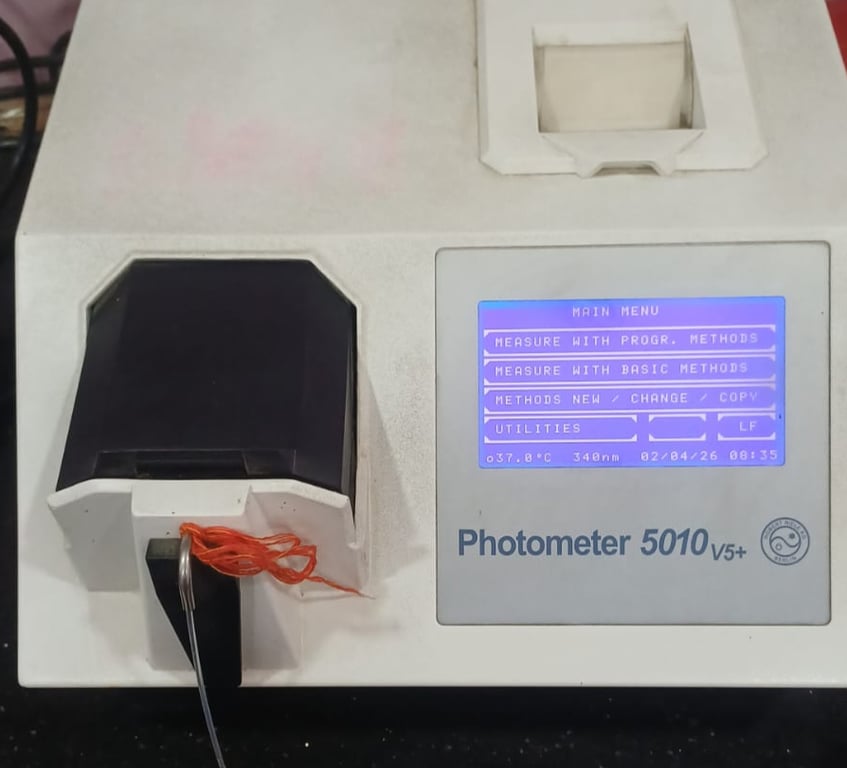
These are the main machines needed to run tests in a pathology lab:

Biochemistry Analyzer
Image: Biochemistry Analyzer

Biochemistry Analyzer

  • Used to test blood for sugar, liver function, kidney function, cholesterol, etc.
  • Semi-automatic is enough to start; it requires some manual handling.
  • Fully automatic is preferred when sample load increases, as it can process many samples faster and reduces human error.
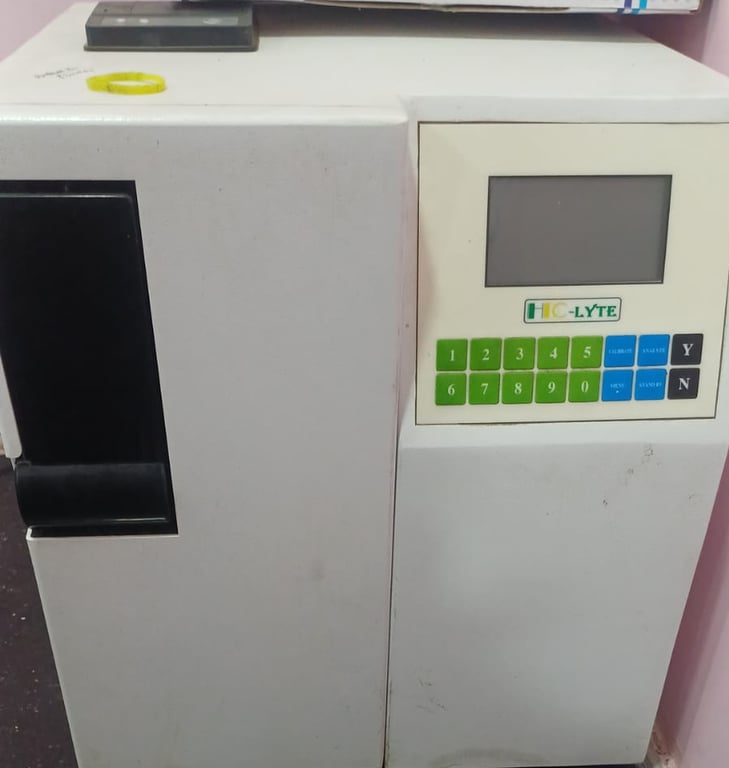
Electrolyte Analyzer
Image: Electrolyte Analyzer

Electrolyte Analyzer

  • Measures minerals in the blood such as sodium, potassium, calcium, and chloride.
  • Important for patients with heart, kidney, or dehydration issues.
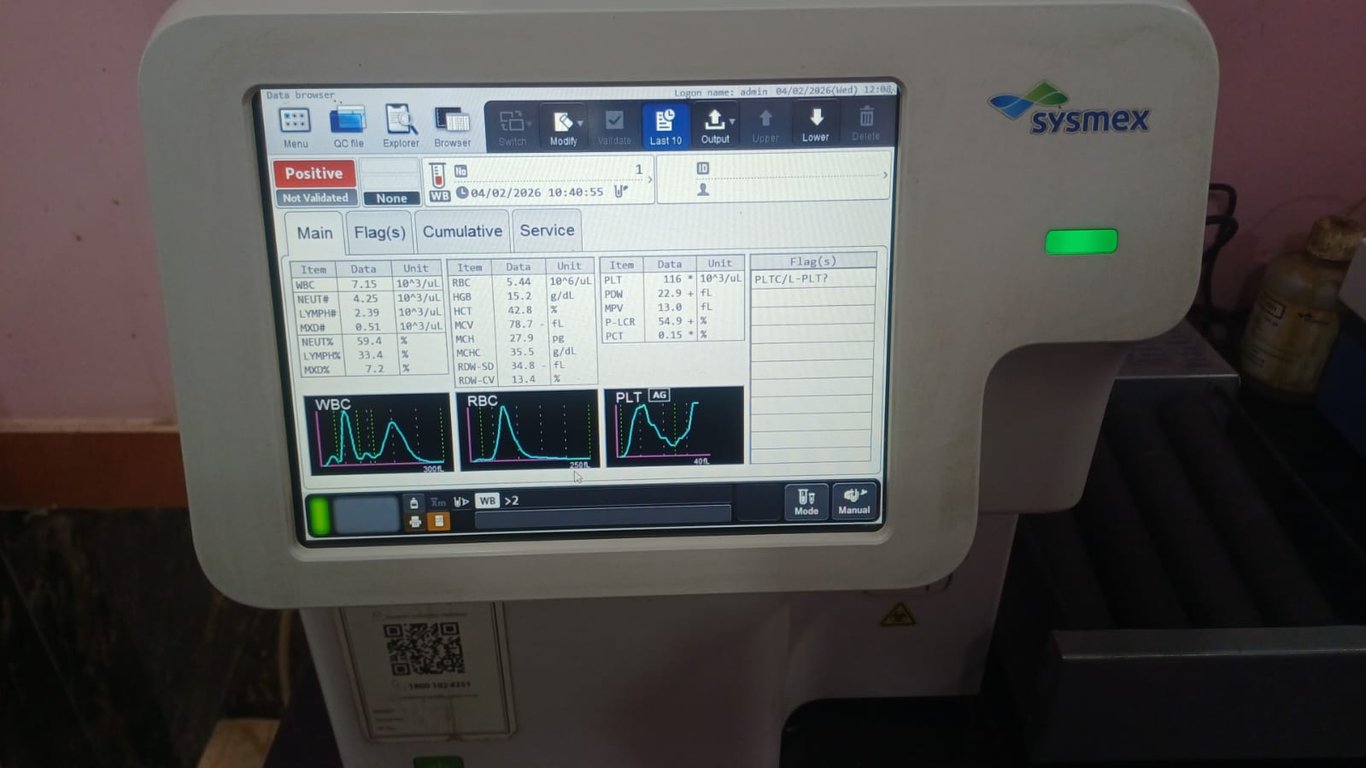
CBC Analyzer
Image: CBC Analyzer

CBC (Complete Blood Count) Analyzer

  • Measures hemoglobin, white blood cells, platelets, etc.
  • 3-part CBC: Measures basic parameters (RBC, WBC, Platelets) suitable for small labs.
  • 5-part CBC: Provides more detailed analysis including different types of white blood cells, better for higher patient load or hospital labs.
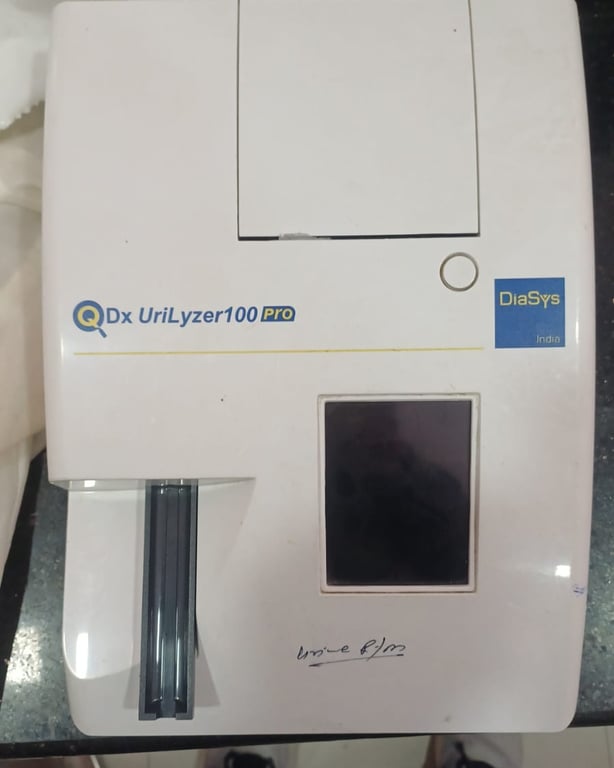
Urine Analyzer
Image: Urine Analyzer

Urine Analyzer

  • Essential for testing urine for infections, sugar, protein, and other routine parameters.
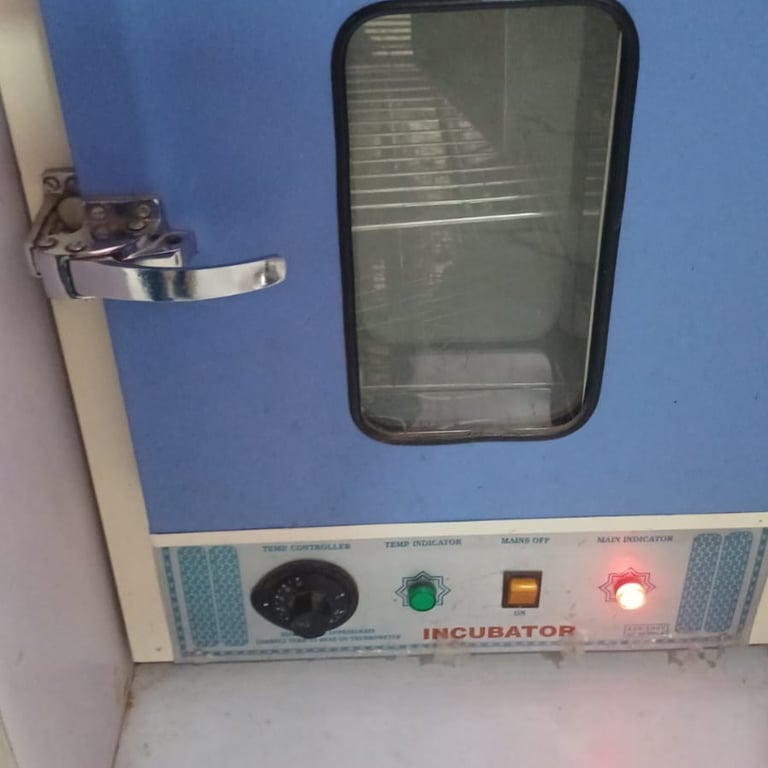
Incubator
Image: Incubator

Other Supporting Equipment

  • Centrifuge: Separates blood components (serum, plasma) for testing.
  • Microscope: For examining blood smears, urine sediments, and other samples.
  • Incubator: Needed for microbiology tests.
  • Autoclave / Sterilizer: For sterilizing instruments and glassware.

Rapid / Card Tests & Chemicals


These are tests that give quick results and the chemicals needed for testing:

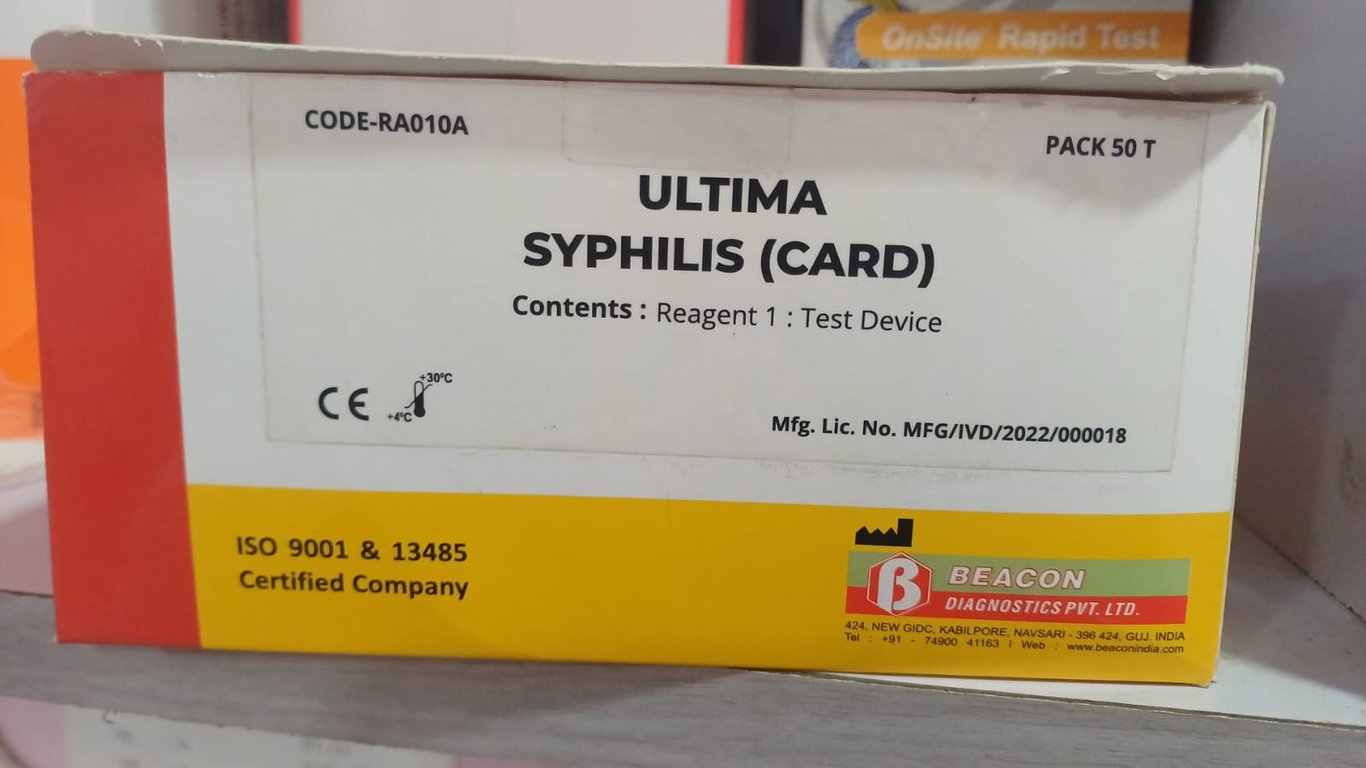
  • Rapid / Card Tests
    • Provide fast results, often within minutes.
    • Common card tests include:
      • Troponin test – for heart attacks.
      • HDMC test – can come with card or without card.
      • Routine rapid tests: Dengue, Malaria, HIV, Hepatitis B & C, COVID-19 (if required).
    • These are useful for emergency cases and increase lab services.
  • Chemicals and Reagents
    • Required for running biochemical and electrolyte tests.
    • Includes reagents, buffers, enzyme solutions, and other consumables.
  • Bio-Medical Waste Management
    • Must follow BMW rules in India.
    • Supplies needed:
      • Yellow, red, white, and black colored bins for different types of waste.
      • Sharps containers for used needles and blades.
      • Disinfectants to clean spills and maintain hygiene.

Sample Collection Kits


These are the supplies required to collect samples safely from patients:

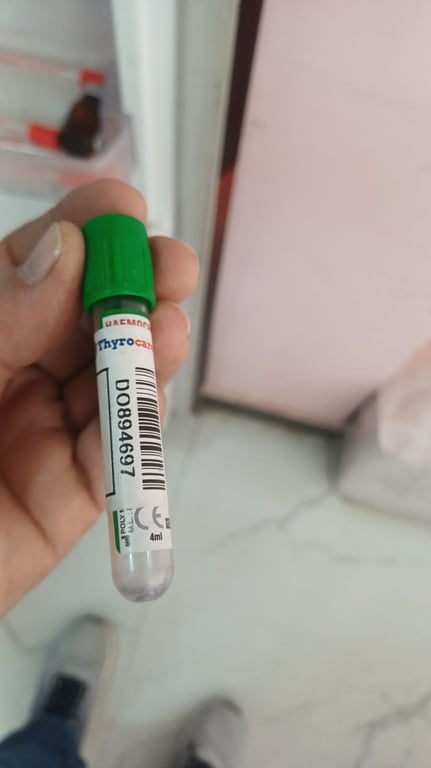
collection tube

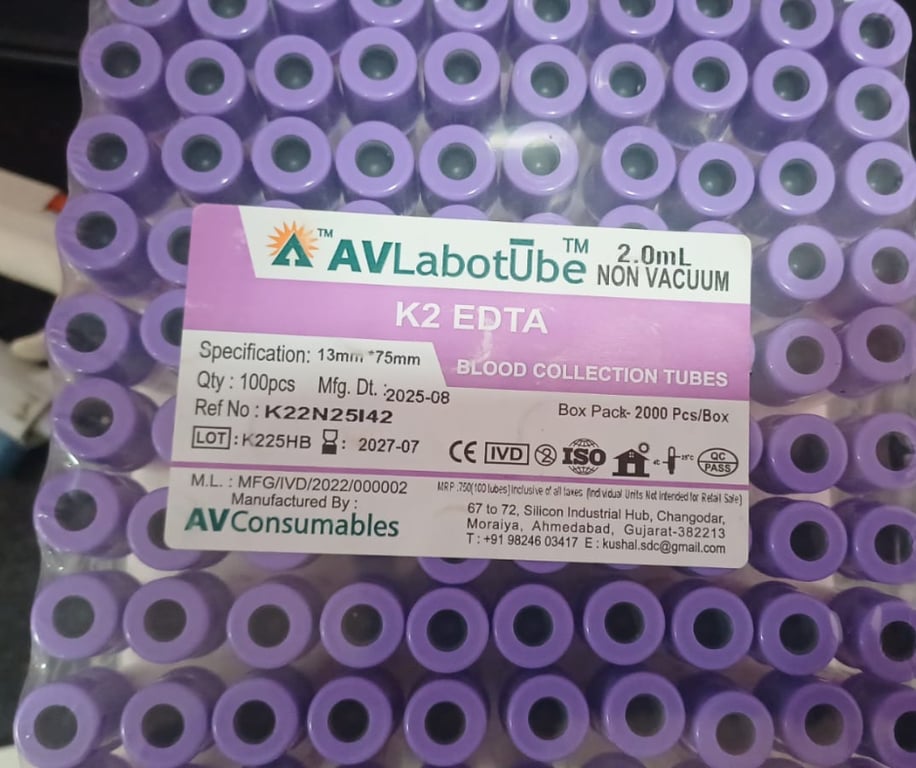
Image: Sample collection tube

Blood Collection Kit

  • Plain tubes: for serum collection.
  • EDTA tubes: for CBC and hematology tests.
  • Fluoride tubes: for glucose testing.
  • Serum separator tubes: speed up processing and reduce errors.
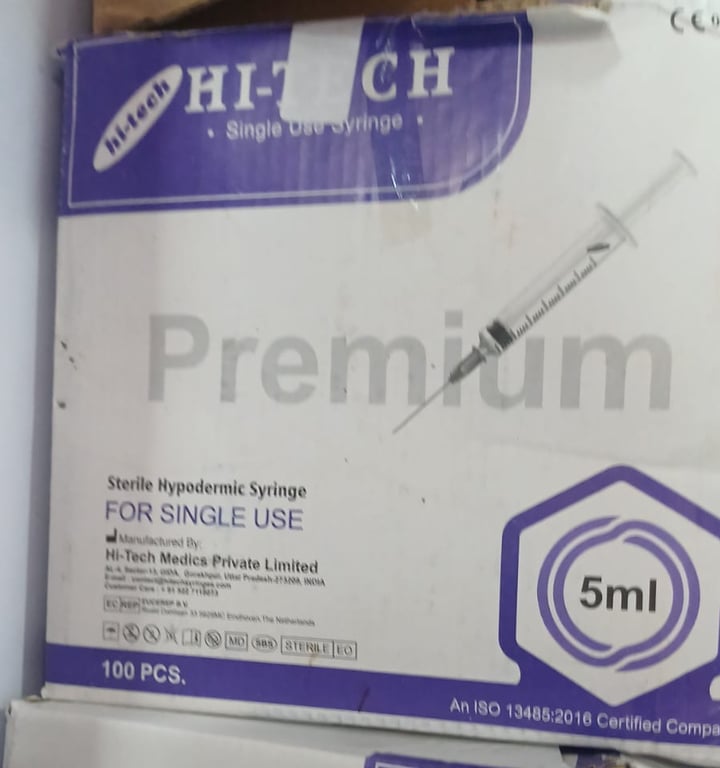
syringe

Image: Syringe box

Needles & Syringes

  • Standard disposable syringes and needles.
  • Tourniquets for venipuncture.
  • Alcohol swabs (spirit) and cotton to clean.
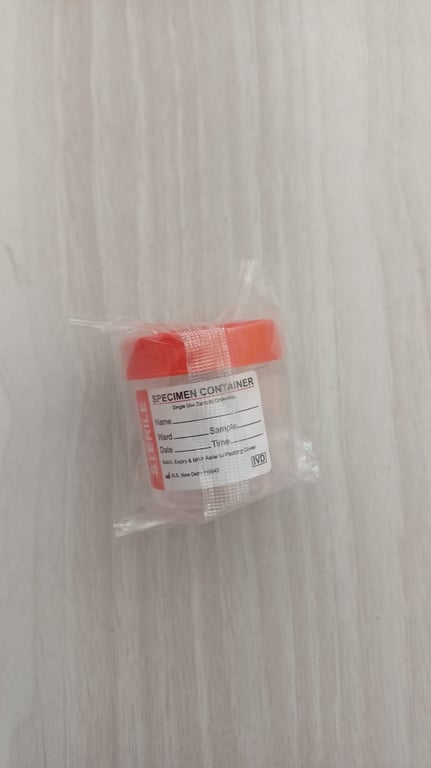
specimen container

Image: Specimen container

Other Sample Containers

  • Urine containers for routine and culture tests.
  • Stool collection containers for gastrointestinal tests.
  • Swabs for throat, nasal, or wound samples.
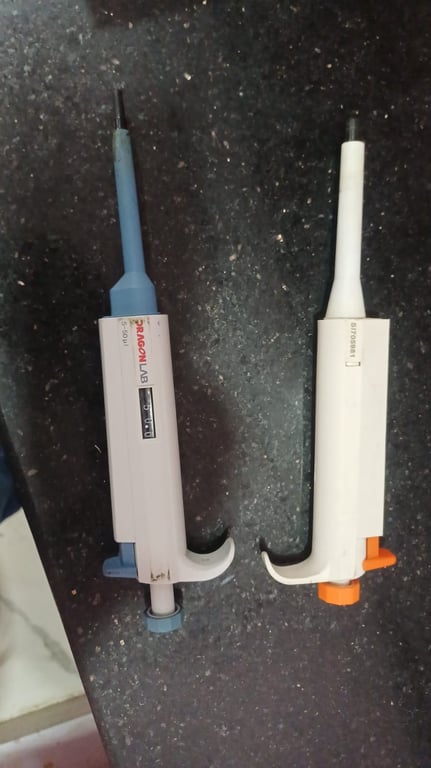
pipette

Image: Pipette

Specialized Tools

  • Lancets for finger-prick blood tests.
  • Trunciate, wire, and other small tools depending on sample type.

Stationery, Branding, and Basic Setup Needed for a Pathology Lab


Before starting a pathology lab, you need some basic stationery, branding, and registrations to run the lab smoothly and professionally:

  • Lab Board / Signage

    Install a clear and visible lab board outside the lab to help patients identify your laboratory easily.

  • Letterhead

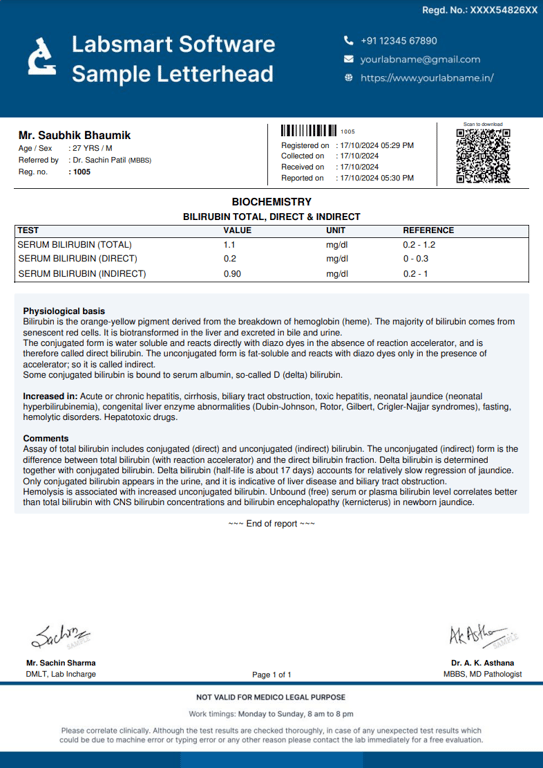
    A professional letterhead is needed for official communication and report headers.

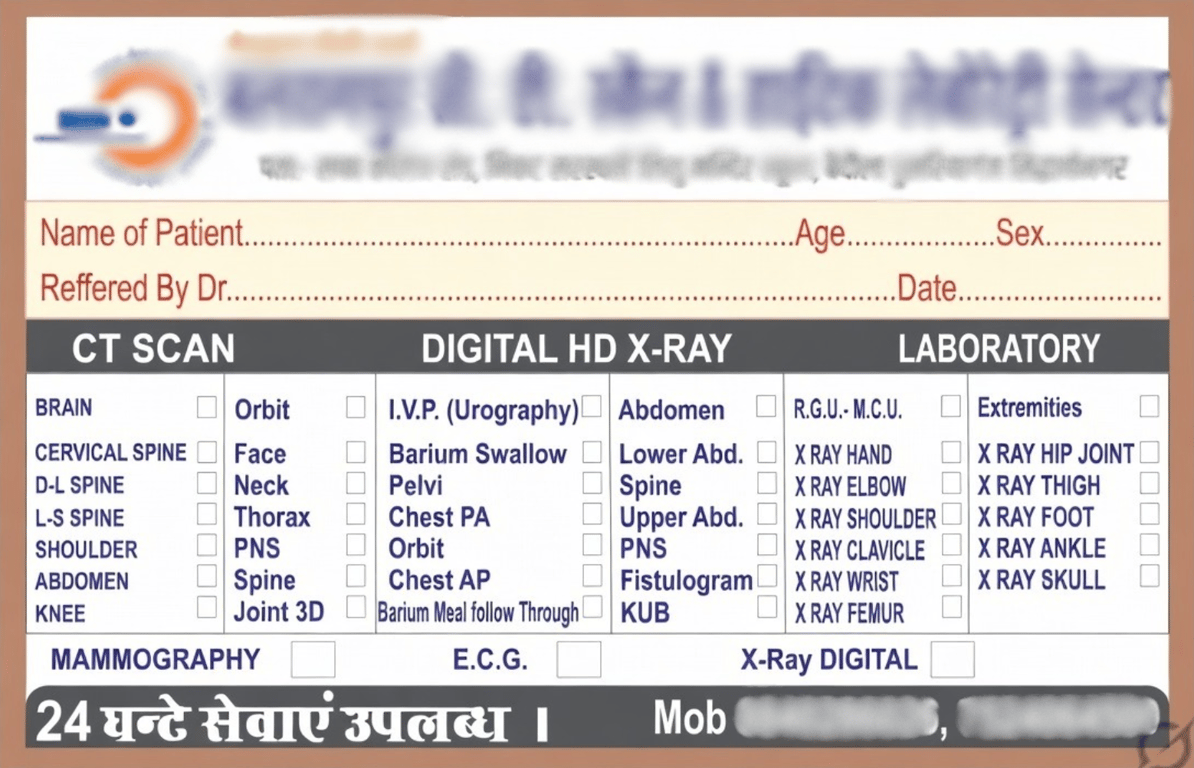
  • Test Requisition Forms

    These forms are used to record patient details and doctor test requests.

  • Envelopes

    Used for reports, bills and checks.

  • Google Maps Listing

    Register your lab on Google Maps so patients can easily find your location and contact details online.

Importance of Lab Management Software for Running a Pathology Lab


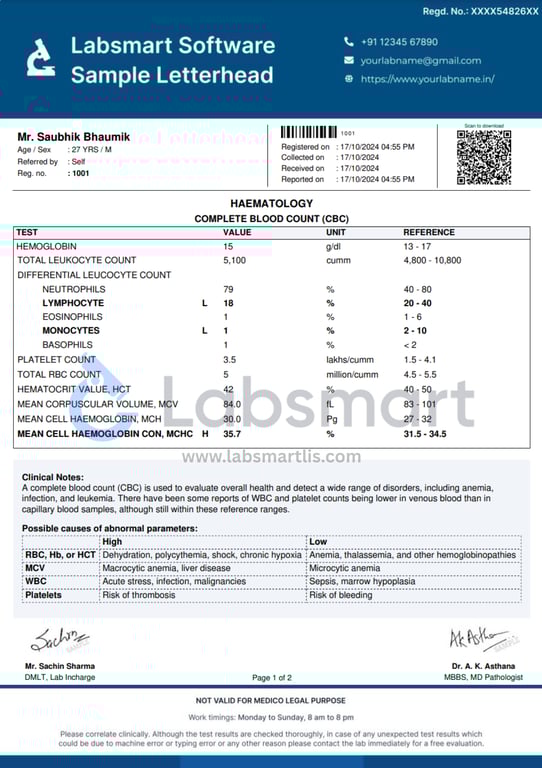
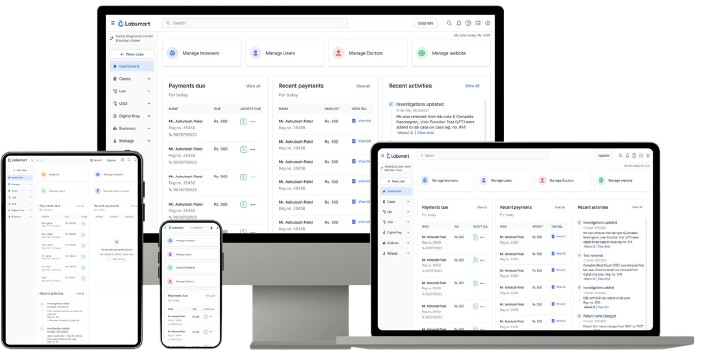
To run a pathology lab smoothly, it is important to use good lab management software. There are many lab software options available in the market, but Labsmart software is the right choice for a pathology lab.

Why Labsmart ?


  • Labsmart is easy to use and all employees can handle it without training difficulty.
  • It manages patient records, billing, and all types of lab reporting.
  • The software helps run the lab business smoothly and efficiently.
  • Labsmart clearly shows how much business comes from each doctor.
  • It reduces manual work and reporting errors.
  • Professional reports improve trust with doctors and patients.
  • To open a pathology lab in India, proper registration, qualified staff, lab equipment, and reliable software like Labsmart are required.

Upgrade to Labsmart

Accurate Reports.
Share on WhatsApp, email, SMS

Estimated startup cost (practical ranges)


The cost of starting a pathology lab changes a lot based on where you are, how much rent you pay, and what tests you offer. Use these general cost ranges to help you plan.

Scale Typical startup cost (₹) What’s included
Small/basic lab Rs 8 - 15 Lakh Rent, basic analyzers, furniture, LIS, staff

Frequently Asked Questions

Medical director should be a qualified doctor (MBBS/MD/DNB) or a pathologist; lab technologists must have MLT/BSc qualifications. Register under Clinical Establishments rules as required.

Small labs typically start around ₹8–15 Lakh; medium diagnostic centres ₹15–35 Lakh; advanced labs cost significantly more depending on molecular equipment and automation.
Use this as a planning range only.

NABL is not mandatory by law for all labs. Only for certain reimbursement related requirements NABL report is required and accreditation can be useful.

BMW Rules, since year 2016 require correct segregation, storage and disposal of biomedical waste; labs must maintain records or contract authorized disposal vendors.

Chat with us on WhatsApp

Start your 5 day free trial

OTP Required